
Today is a day of rest for us, and it also marks a very special occasion for the Danish people, as Sankt Hans is being celebrated.
In the resting part, we replanned our journey to the north of Denmark a little bit, but more on that in a next daily report. First, a little explanation about Sankt Hans.
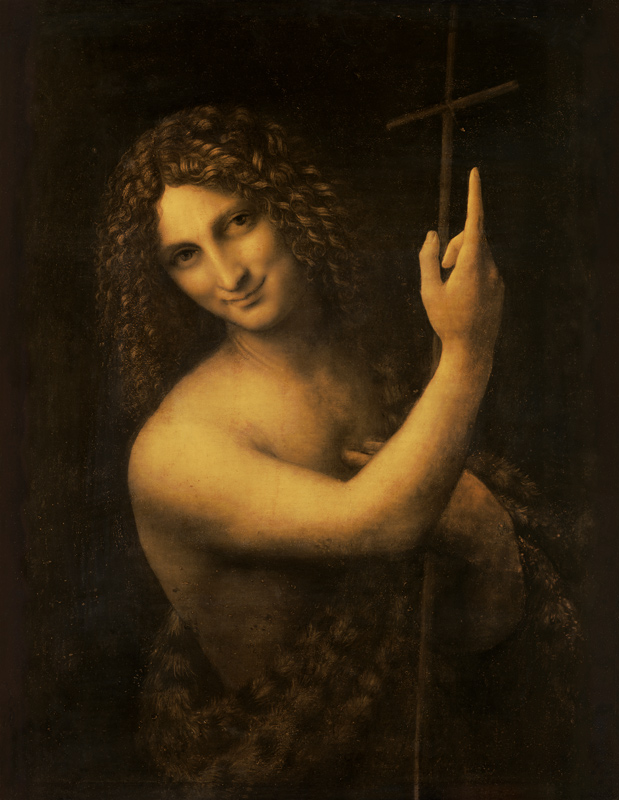
Sankt Hans is actually a Christian holiday that celebrates the birthday of John the Baptist on June 24. However, it coincides with an ancient Pagan tradition, Summer Solstice, the longest day of the year on June 21.
Clerical leaders mixed these old customs with some Christian ones to help promote Christianity. And they put the new date somewhere in the middle. “So we shall celebrate on the twenty‑third of June,” I imagine some medieval monk from the Office of Festivities seriously announcing.

During the 19th century, German artisans incorporated certain aspects of Walpurgis Night festivities, including the practice of witch burning, which they viewed as the eradication of evil.
This particular element is presently a subject of discussion, given that individuals labeled as witches were often knowledgeable women with expertise in nature and healing. The “witch” label was then used by envious people to eliminate too successful competitors.

So now you know enough background to understand the importance of the fact that Ruth and Lars invited us to celebrate Sankt Hans together with them. We were absolutely honoured!
After exchanging gifts and kisses and handshakes. Ruth introduced us to the meaning of the celebration, which is nowadays more about friendship, family and peace on earth.
The intro was followed by a song that is played at the start of every Sankt Hans celebration: Vi elsker vort land (We love our country.)

Lars then told us a story about Maren Spliid, the last witch who was burned alive in Ribe. She was a beautiful and intelligent woman with a sharp tongue, a healer, and by marriage, she climbed up from being poor to being rich. Jealousy took care of the rest, and on the 10th of November, 1641, she was burned at the stake in Ribe.
Now back to dinner. We got a lovely alcohol-free wine (they must have bought this especially for us after we told them yesterday that we don’t drink alcohol anymore). Ruth then brought a very fine Stjerneskud (the literal translation is “shooting star,” but it’s a dish. Better check the picture below).


For dessert, we got superb locally grown strawberries complemented with ice cream with nougat. Heavenly.


The sun was setting, and the air was becoming cooler, yet we continued to share stories about our family and friends. Photographs and anecdotes of grandchildren were presented and recounted.

Lars told me about this artist he knew, Flemming Quist Møller, who was in a jazz band called Bazaar and also made these cool mosquito cartoons.
Lars already pictured a Bålar and Målin with long mosquito noses 🙂.
But please never do that to me. Bålar and Målin with long noses, it will never work…
But please enjoy the movie below, and if you don’t know Danish, then the pictures will speak for themselves.
We were slowly wrapping up the evening, but before we really did, they wanted to share one last song that was also played at this Sankt Hans celebration: “Lyse nætter” (Bright nights), brought to you by Alberte:
After the last goodbye, we returned to our sleeping quarters.
And good news! We could extend our stay at Ruth and Lars’s for an additional day. We could use the extra resting day, and it is too beautiful here to stay just for two nights.
Leave a Reply